
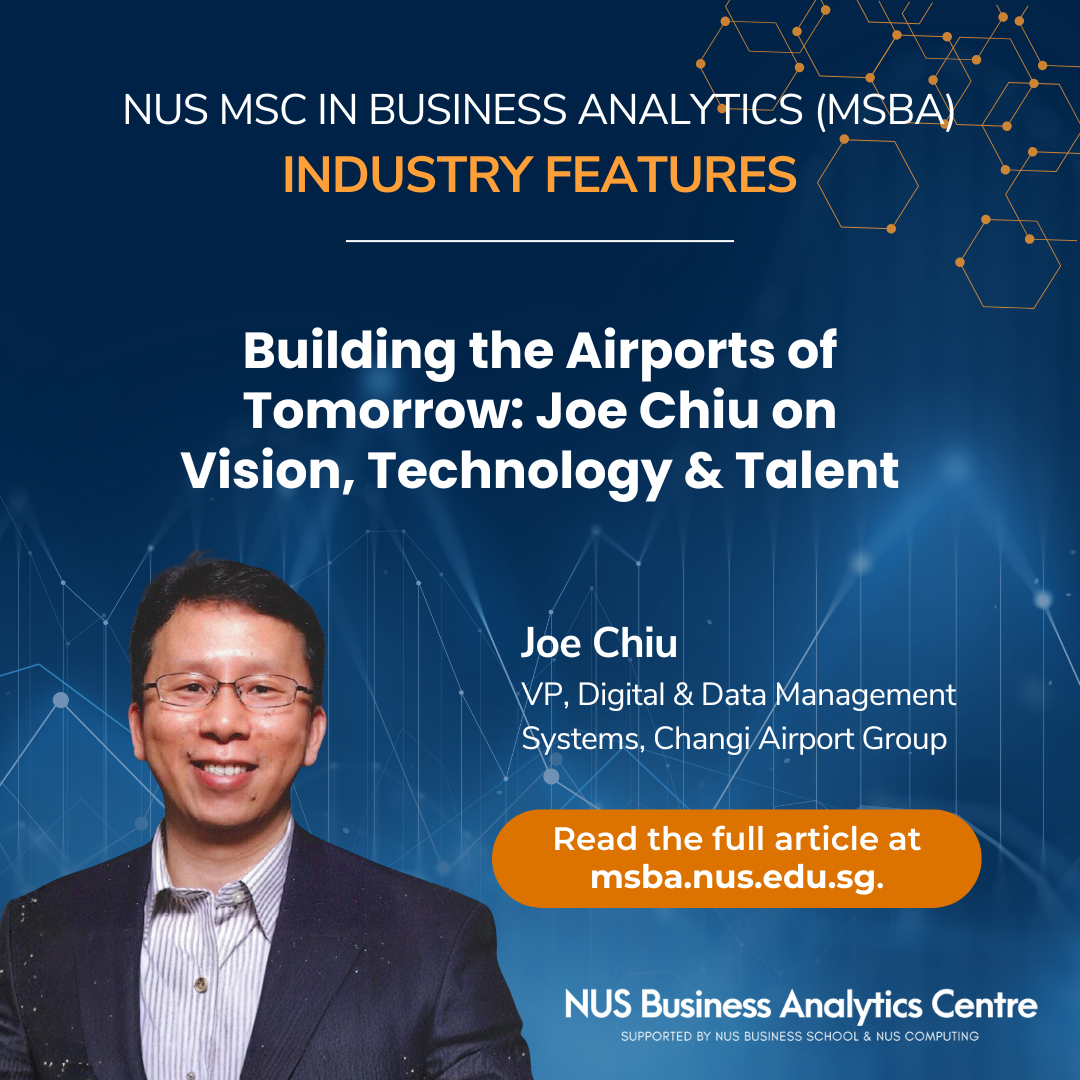
From his early days as a software engineer to leading digital transformation at Changi Airport Group (CAG), Joe Chiu has built a career anchored in innovation and people. Today, he oversees CAG’s digital platforms and enterprise data ecosystem, driving innovations and continuous improvements that shape how travellers experience one of the world’s best airports. As an NUS Business Analytics Centre (BAC) Advisory Board Member, Joe offers a close-up view of the NUS Master of Science in Business Analytics (MSBA) programme, sharing why he values its strong industry collaboration and why NUS MSBA students consistently stand out when dealing with complex, real-world projects.
Driving Digital Innovation at Changi Airport Group
At the helm of digital and data transformation at Changi Airport Group (CAG) is Joe Chiu, Vice President of Digital & Data Management Systems.
He looks after various enterprise IT programs under the Technology Chapter, which consists of a diverse suite of enterprise digital, data and AI platforms, that help to power many solutions such as portals, web and mobile applications, data engineering and BI analytics, as well as the Gen AI-powered enterprise chatbot.
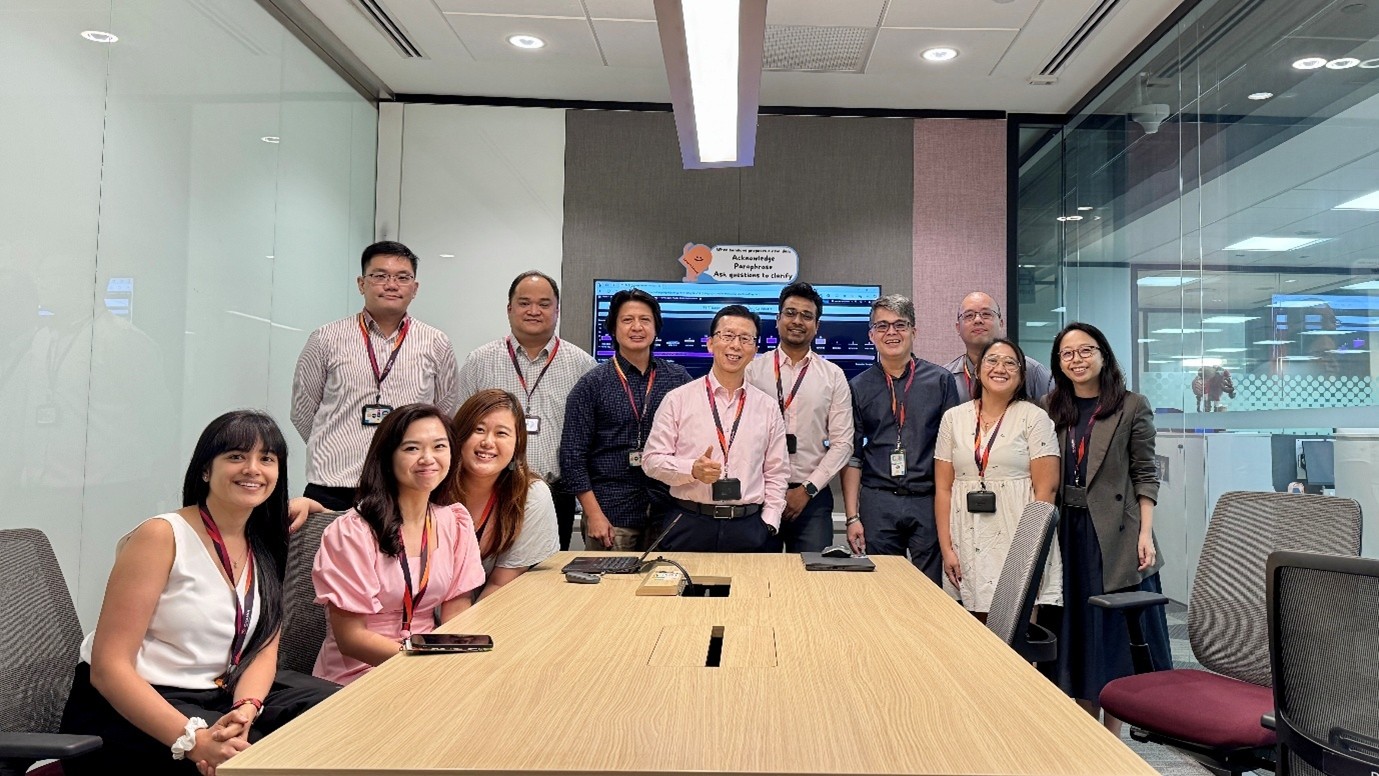
Joe’s journey began as a software engineer developing functional test applications in the manufacturing sector. He later moved into project implementation and programme management, leading major enterprise projects across both public and private sectors. Fifteen years ago, he joined CAG, an organisation he proudly says he has “never looked back” from.
Transforming a Brick-and-Mortar Organisation with Data and Agility
While Changi Airport is globally recognised for operational excellence, Joe and his team faced a new challenge: how to create personalised, seamless, and agile digital experiences in an organisation rooted in traditional models of working.
To keep in pace with CAG’s digital transformation needs with agility, Joe spearheaded a shift from monolithic to the modern microservices-based architecture design, coupled with re-architecting and redevelopment of all key middleware layers, enabling a more time-to-market, seamless and end-to-end data integration for new application development, without compromising quality, performance, security and reliability.
Business analytics sits at the heart of this transformation. It enhances passenger and customer experiences, enables more agile service delivery, and drives smarter airport operations, supporting CAG’s ambition to be in line with the industry’s best practices.
Supporting the NUS MSBA Programme Through Strategic Collaboration
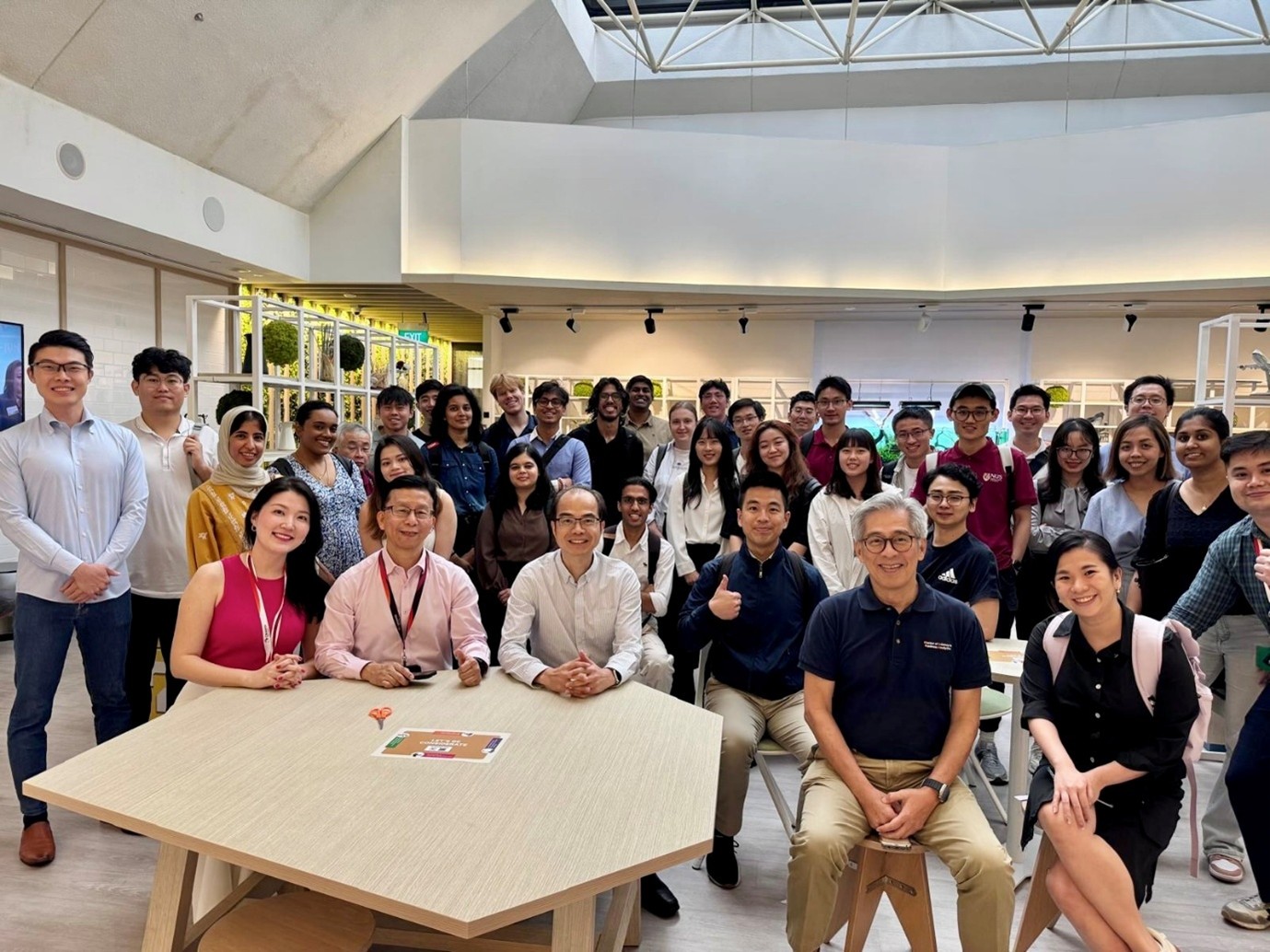
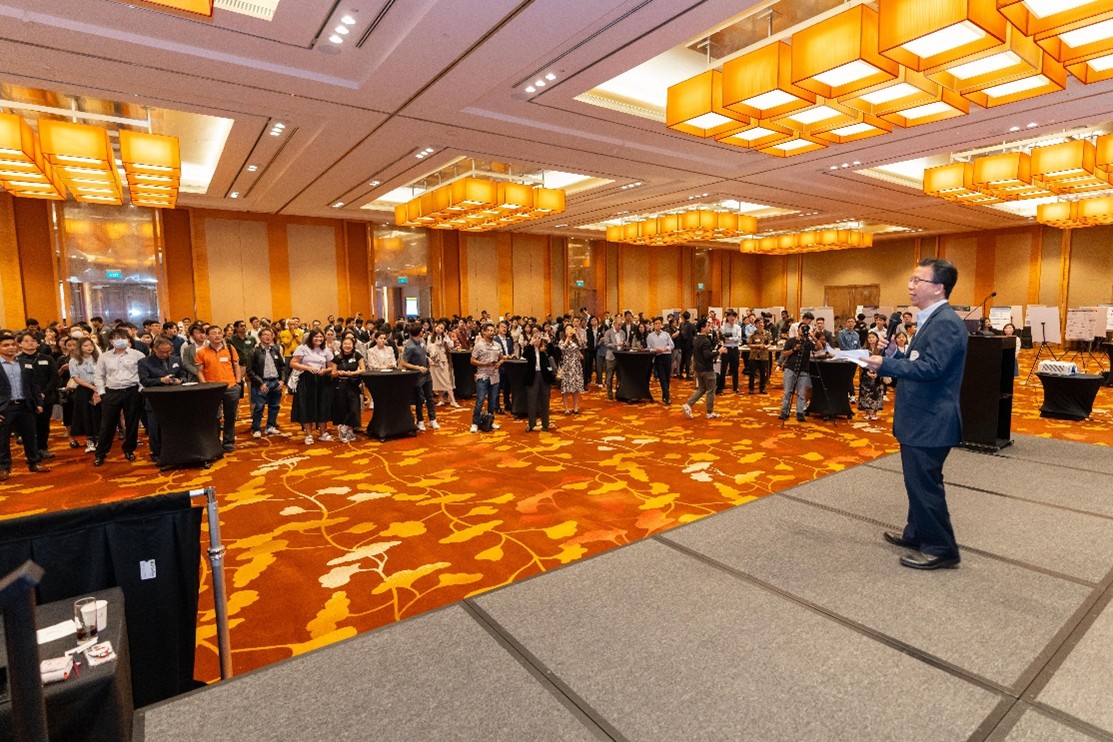
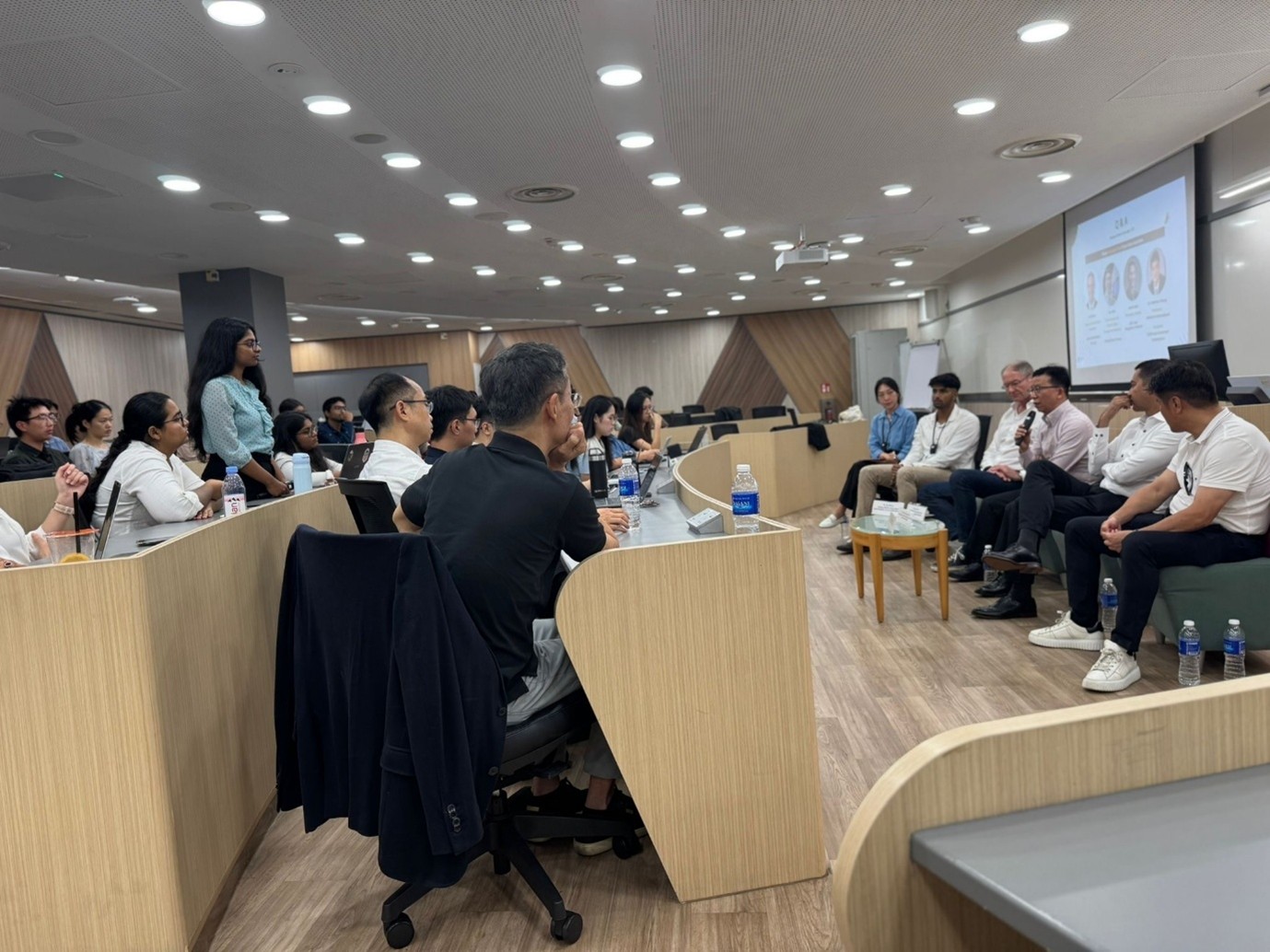
As a member of the NUS BAC Advisory Board, Joe plays an active role in strengthening the programme, offering valuable industry perspectives that help shape its curriculum and strategic direction. Beyond advisory work, he has also been a strong supporter of the centre’s initiatives, sharing his expertise with students during fireside chats, contributing knowledge and insights at BACS, and engaging in activities that deepen the programme’s industry relevance.
Initiatives such as the Industry Analytics Innovation Challenge, Capstone Internship Programme, and the annual Business Analytics Centre Symposium (BACS) provide students with high-impact, real-world experiences. Joe sees these platforms as essential in bridging academia and industry, enabling students to apply their business acumen, technical and analytical skills to meaningful business challenges.
Through close collaboration with NUS MSBA students, Joe has come to value their fresh perspectives and willingness to take on complexity. He notes that experiences such as managing project timelines, presenting to senior leaders, and navigating tough questions help students build confidence, professional maturity, and the agility needed to become future-ready business analytics, data and AI leaders.
Why Joe Continues to Support the NUS MSBA Community
For Joe, the motivation to engage deeply with NUS MSBA students comes from witnessing their growth and impact. Many interns have completed complex assignments “in flying colours,” earning strong endorsements from business stakeholders and senior leaders at CAG. These successes affirm to him that the NUS MSBA programme is not only well-designed but also highly effective in nurturing capable analytics and AI talent.
He describes NUS MSBA students as highly independent, adaptable, and ready to take on challenging assignments, qualities, dedication and commitment that make them strong contributors in fast-evolving technology environments like CAG.
“What makes the NUS MSBA unique is its interdisciplinary strength, combining deep technical expertise from NUS Computing with business acumen from NUS Business School. That balance is rare,” he says.
He also highlights the programme’s experiential learning through the Capstone Module, where students tackle real-world business challenges with industry partners like NCS. “The combination of academic excellence and industry engagement is powerful. It prepares students not just to understand analytics, but to apply it meaningfully in organisations.”
Advice for Aspiring NUS MSBA Students
Joe describes the NUS MSBA programme as:
“An exciting journey where students pursue academic excellence while gaining real-world working experience. They build their niche expertise, learn to collaborate for greater outcomes, strengthen interpersonal skills, and expand their professional networks for real life success.”
Joe encourages future NUS MSBA students and professionals to stay curious, humble, and open to learning beyond their comfort zones. He believes it is important to have one’s own viewpoints, ask questions boldly, and never shy away from challenging existing ways of thinking. Growth, he reminds students, comes from confronting complexity and embracing continuous learning.
© National University of Singapore. All Rights Reserved.